
Link Building Japan Blog
Earning Citations in Japanese AI Answers
AI answer engines draw on Japanese-language sources differently from English. Here is how our programmes earn citations for clients in Japanese AI responses.
Ryo Kobayashi
Outreach & Campaign Manager · Osaka / Tokyo
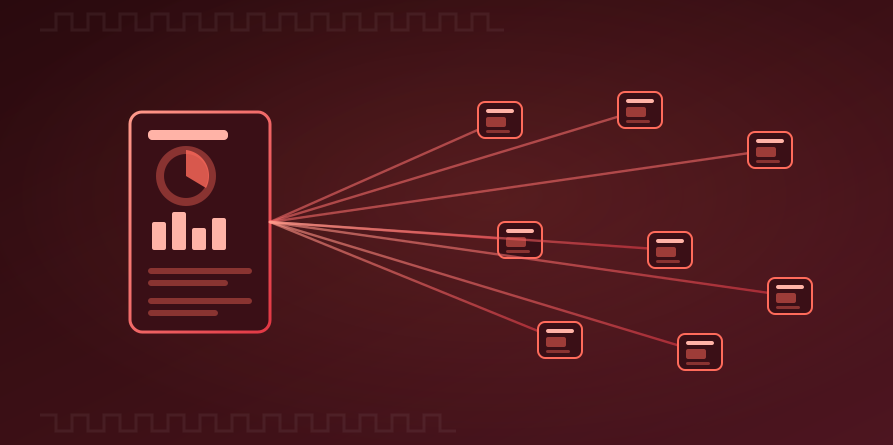
Search behaviour in Japan is shifting. Users increasingly receive AI-generated answers before traditional organic results, particularly for informational queries. Google AI Overviews, ChatGPT, Perplexity, and domestic AI tools all draw on Japanese-language sources to construct responses. Brands that appear in these answers gain visibility independent of traditional ranking positions. At Link Building Japan, we build for AI citations by understanding how these systems select sources—and by pairing extractable Japanese content with publisher corroboration.
We treat AI citation in Japanese answers as dependent on extractable Japanese content plus corroboration from recognised Japanese publishers—not English authority alone.
How we read AI source selection in Japan
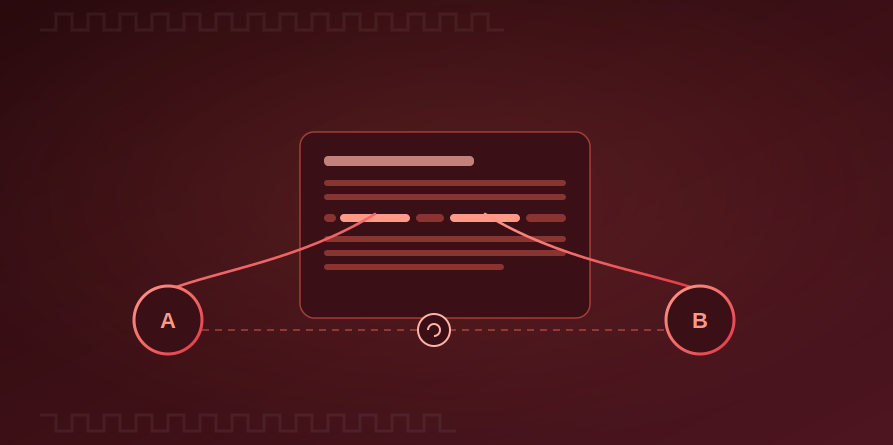
AI answer engines prioritise sources they assess as authoritative, current, and directly relevant to the query. For Japanese-language responses, the source corpus is predominantly Japanese: .jp domains, Japanese publisher content, and Japanese-language pages on international domains. English sources may inform AI responses to Japanese queries, but Japanese sources dominate citation lists for market-specific questions—so that is where we invest.
Citation selection also weights publisher recognition. A fact on a national business media site carries more weight than the same fact on an unknown blog. Brands with strong English backlink profiles but thin Japanese media presence often remain absent from Japanese AI answers despite solid rankings elsewhere. We see that pattern constantly in discovery audits.
Why publisher context sits in our AI playbook
Our editorial placements on Japanese publishers create new indexed content on authoritative domains that AI systems crawl and reuse. The client's brand name inside that article becomes a citable entity. Contextual updates help when the page is already in the retrieval corpus, though new editorial coverage usually strengthens entity recognition faster—so we lean editorial when AI visibility is a stated goal.
- National and specialist media citations strengthen entity trust
- .jp backlinks and third-party mentions corroborate brand claims
- Consistent Japanese naming improves recognition across sources
- Thin or promotional sites rarely become preferred AI sources
How we structure content for AI extractability
AI systems extract concise, factual statements from source content. Pages structured with clear headings, direct answers to specific questions, and factual claims supported by identifiable data points are more extractable than narrative prose that buries key information in paragraphs. We advise clients to treat extractability as a content requirement, not an afterthought.
For Japanese content, that means writing with explicit topic sentences, using headings that match query patterns Japanese users actually search, and presenting information in formats AI can parse: definitions, step-by-step processes, comparison tables, and direct factual statements. Content written for human readers alone, without consideration for machine extractability, underperforms in AI citation even when it ranks well in traditional search.
Formats we recommend for reliable extraction
- Definition paragraphs that answer the query in the first sentence
- Numbered processes with clear outcomes at each step
- Comparison statements with named alternatives
- FAQ blocks with schema where appropriate
- Short factual claims tied to identifiable sources
We front-load key facts in Japanese copy rather than building slowly to a conclusion. Writers trained in Western business prose often bury the extractable answer; AI systems reward clarity at the top of the section.
How Japanese link building feeds our AI visibility work
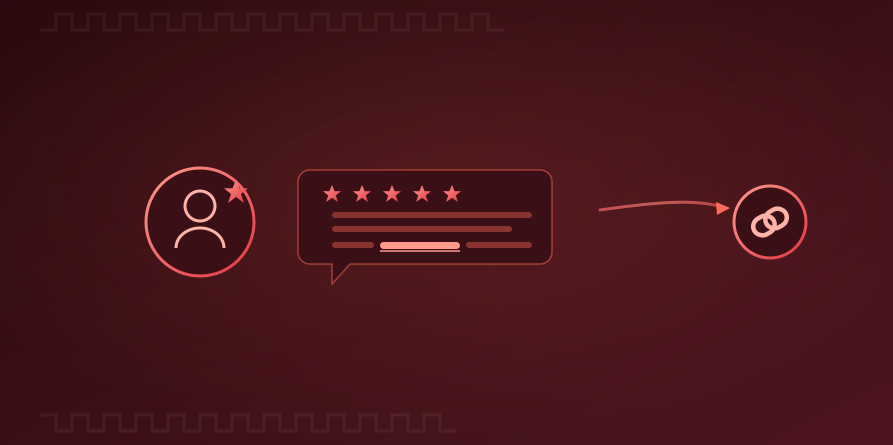
Backlinks from Japanese publishers serve double duty in the AI search era. They pass traditional ranking authority and they establish the brand as a recognised source within the Japanese media ecosystem that AI systems reference. A brand cited in five Japanese business media articles is more likely to appear in AI answers about its sector than a brand with equivalent traditional rankings but no media citations.
Japanese link building therefore becomes part of our AI visibility strategy, not only classic ranking strategy. Editorial placements expand the source corpus, and a healthy backlink profile with diverse Japanese publishers reduces the risk that AI systems treat the brand as self-referential.
| Signal | Traditional Japanese SEO | AI citations |
|---|---|---|
| Own Japanese pages | Required for ranking | Required for extractable facts |
| .jp / publisher links | Authority transfer | Third-party corroboration |
| Brand naming consistency | Helpful | Critical for entity matching |
| English-only authority | Limited Japan impact | Weak for Japanese answers |
Entity recognition is something we actively manage
AI systems build entity profiles from repeated mentions across authoritative sources. Consistent brand naming in Japanese (whether katakana, official Japanese name, or established transliteration), consistent association with specific topics, and repeated citation across varied publishers strengthen entity recognition.
Inconsistent naming, infrequent mentions, or mentions only on owned properties produce weak entity signals. AI systems may not associate the brand with topics the client considers core because the external citation pattern does not support that association. We ask teams operating from Tokyo or abroad to agree one Japanese brand string and use it everywhere: website, press kits, and media briefs.
We monitor competitor appearance in AI answers as carefully as the client's own. If rivals are cited from trade media we have never approached, that publisher gap is often more actionable than another round of on-page rewrites.
Practical steps in our AI citation programmes
A practical programme we run combines owned content, publisher citations, and monitoring. Sequence matters: extractable pages without third-party corroboration underperform, and media coverage without citable owned content leaves AI systems with little of the client's to quote.
- Audit Japanese pages for extractable factual blocks and clear headings
- Pursue editorial placements on publishers already cited for sector queries
- Standardise Japanese brand naming across all external and owned assets
- Build complementary .jp backlinks that reinforce topical association
- Monitor AI answers monthly across tools buyers actually use
We now include AI citation monitoring in monthly reporting for retainer clients. Traditional ranking reports alone miss visibility that occurs entirely within AI answer interfaces, particularly for informational queries where users may never scroll to organic results.
What we do not treat as AI strategy
Optimising solely for traditional keyword rankings without building publisher citations produces pages that rank but are not cited by AI systems. Keyword stuffing, thin content designed for search engines rather than readers, and backlinks from low-quality sources do not improve AI citation probability and may reduce it if AI systems assess those sources as unreliable. We do not sell those tactics.
- English-only PR with no Japanese publisher coverage
- Directory-style .jp links without editorial context
- FAQ spam that adds no new factual clarity
- Inconsistent brand transliterations across campaigns
How we monitor—and why domestic platforms matter
Traditional rank tracking tools miss AI answer visibility entirely. Our monitoring involves searching target queries across Google AI Overviews, ChatGPT with browsing enabled, Perplexity, and domestic tools used by Japanese users, then recording which brands and sources appear in generated answers. This process is labour-intensive but necessary until standardised tracking emerges for AI citation share.
Domestic Japanese platforms and LINE ecosystem tools process queries differently from Western AI interfaces. Monitoring only ChatGPT misses visibility on interfaces prospects actually use. Publisher citations on Yahoo Japan syndicated content and domestic news aggregators may also influence AI answers on platforms that draw from those corpora—so we keep those channels in scope.
How we prepare clients for continued AI search evolution
AI search interfaces will change frequently. Publisher citation as an authority signal is likely to persist because AI systems need trusted sources to ground responses. Brands that invest in Japanese publisher relationships now build assets that serve both current ranking algorithms and emerging retrieval systems—that is the long view behind our programmes.
We coordinate AI visibility with broader content strategy. Product pages optimised only for conversion often contain little extractable factual content. Resource pages, glossaries, and sector guides in natural Japanese give AI systems material to cite while supporting traditional search.
AI search visibility in Japan requires the same foundation as traditional Japanese SEO: quality Japanese content, citations from recognised publishers, and a brand presence that external sources corroborate. AI citations add a visibility layer ranking reports miss, which is why Japanese link building, editorial placements, and content extractability sit at the centre of how we work at Link Building Japan.