
Link Building Japan Blog
What Natural Looks Like in Our Japan Programmes
A healthy Japanese backlink profile has identifiable patterns. Here is what natural looks like in the programmes we run—and what we flag as risk.
Haruto Saito
Publisher Relations Lead · Tokyo
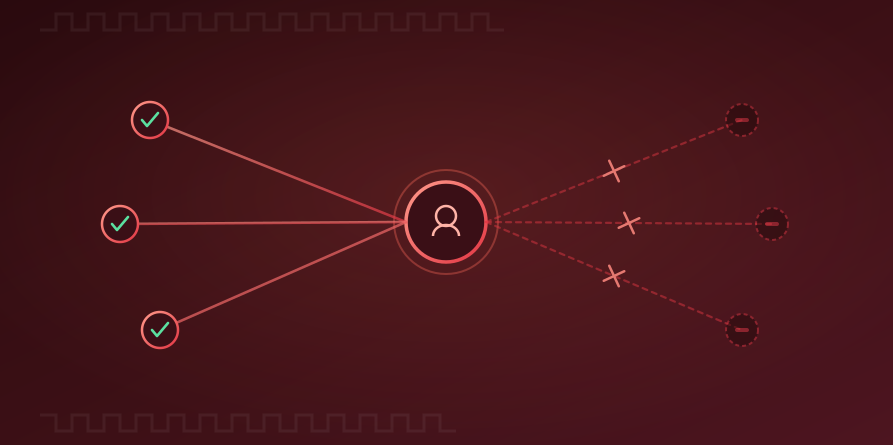
Google assesses backlink profiles holistically. For Japanese-language search, citations from .jp domains and Japanese publishers carry particular weight. A natural Japanese backlink profile develops identifiable patterns over time that distinguish it from manufactured Japanese link building. We design every Link Building Japan programme around those patterns—so clients audit what they have today and set realistic expectations for editorial placements going forward.
These are the characteristics we review for brands competing in Japanese SEO, whether they have Tokyo go-to-market teams or build domestic visibility from overseas.
We build profiles that are diverse, paced, contextually placed, and linguistically coherent. Volume without those traits usually creates risk rather than durable Japanese SEO gains—so we do not chase it.
We prioritise publisher diversity over raw volume
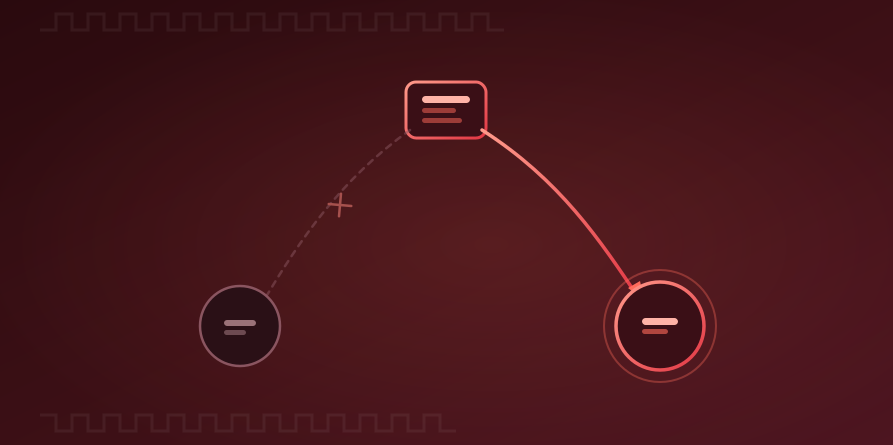
In our programmes, a healthy profile draws .jp backlinks from a range of publisher types rather than a handful of domains. We target national media, business publications, regional titles, trade press, and occasionally institutional sources. Concentration on three domains looks manufactured even when those domains score well—and we plan against it.
Velocity matters as much as mix in our delivery
Acquisition pace is a second axis of naturalness. A site that gains dozens of new Japanese backlinks in one month after years of quiet activity invites scrutiny. We spread growth over time, with occasional bursts tied to genuine news, product launches, research releases, or market events rather than campaign calendars alone.
- Map current referring domains by publisher type and geography
- Measure monthly acquisition and loss, not only net new links
- Compare concentration against sector norms, not generic averages
- Plan editorial placements that fill gaps instead of repeating the same tier
If eighty percent of a client's .jp referring domains sit in one media tier, we diversify before increasing volume. Concentration risk grows quietly and is harder to unwind after algorithms notice it.
We brief anchors that mirror real editorial behaviour
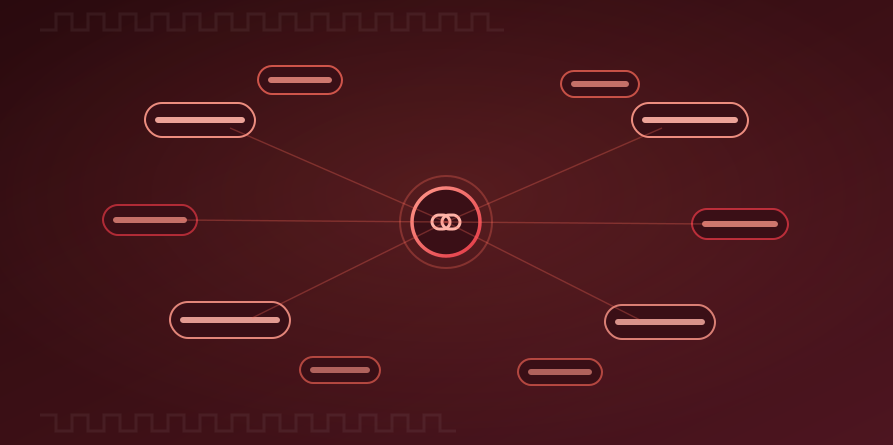
Natural anchor text for Japanese backlinks includes brand names, naked URLs, generic phrases such as details-here language, and topical partial matches. A profile dominated by exact-match commercial keywords in Japanese usually signals deliberate optimisation rather than editorial citation. We aim for diversity that resembles how journalists and editors actually reference sources.
How we handle English anchors on Japanese sites
English anchor text on Japanese publisher pages is common for international brands and is not inherently problematic. What looks unnatural—and what we avoid—is identical English commercial anchors repeated across many editorial placements. Coordination of that kind rarely emerges from independent editorial processes.
- Brand and company-name anchors as the majority baseline
- Naked URL and partial URL references in a meaningful share of citations
- Generic navigational phrases used by editors, not only marketers
- Limited exact-match commercial anchors reserved for rare, highly relevant contexts
What we avoid in anchor planning
We do not brief every publisher with the same money phrase. We provide a short approved list that includes brand variants and natural descriptive options, then let editors choose language that fits the article. That approach protects both readability and the client's backlink profile.
We insist on link placement context
Natural links appear inside content that serves readers, cites the brand as a source or example, and would still make sense without a commercial motive. Links in author bios, footers, or sidebars typically carry less weight and appear more often in manufactured profiles—so we do not build programmes around them.
Contextual body links from Japanese publishers remain the strongest practical signal in our work. They require editorial approval, topical relevance, and content worth publishing. A profile built mainly from contextual body citations across varied Japanese publishers is the objective of every serious programme we run.
| Placement type | Natural profile role | Risk if overused |
|---|---|---|
| In-article contextual link | Primary quality signal | Low when topical and diverse |
| Resource or reference mention | Supportive citation | Medium if templated |
| Author bio or sidebar | Minor at best | High if dominant |
| Sitewide or footer link | Usually avoid | Very high |
When we audit competitor profiles, we weigh placement quality before celebrating referring-domain counts. Many inflated Japanese profiles are built from directories and thin guest inventories that do not transfer durable authority.
We keep geographic and linguistic coherence
If a client targets Japan, their backlink profile should reflect that market. English citations help global visibility and AI citations from English sources, but send limited relevance signals for Japanese search. Google treats backlink geography and language as local relevance indicators—so we fund Japanese publisher work as its own track.
This does not mean we abandon English-language acquisition for clients who need it. It means recognising that Japanese SEO requires Japanese publisher citations. A profile optimised only for global English queries will underperform in Japan regardless of aggregate authority metrics.
Coherence checks we run for international brands
- Share of referring domains that are Japanese-language publishers
- Presence of .jp backlinks from recognised media, not only directories
- Balance between Tokyo-centric national titles and regional or trade coverage where relevant
- Alignment between Japanese landing pages and the sites citing them
What we flag as an unnatural profile
Warning signs we look for include acquisition spikes, low-quality directories or Japanese blog networks, identical anchors across placements, pages that exist only to host outbound links, and a total absence of nofollow citations. Genuine editorial processes sometimes produce nofollow links; all-dofollow commercial profiles can look engineered.
Any single pattern may not trigger action. Combinations strongly suggest manufactured Japanese link building. We audit existing profiles before starting new work. Legacy vendor campaigns often leave patterns that must be corrected before new editorial placements can perform.
- Spike detection across the last twelve to twenty-four months
- Referring-domain quality distribution and toxic concentration
- Anchor text entropy and commercial-match share
- Placement context sampling across a representative link set
Sector norms, monitoring, and how we recover
Natural profiles differ by industry. Manufacturers should expect trade and regional business media; travel brands should expect lifestyle coverage. Exclusive reliance on one publisher type often indicates manufactured acquisition. We benchmark against sector norms, not generic charts.
Healthy attrition versus warning attrition
Some link loss is normal as publishers restructure and archive. Alarm is warranted when loss accelerates or concentrates on the strongest editorial placements. We track whether removals look like housekeeping or a cleanup of commercial links. Reclaiming a citation on a new article from the same trusted Japanese publisher is often more efficient than starting from zero elsewhere—and we build that into retainer work.
We document baseline referring domains, anchors, and placement types at programme start. Without a baseline, we cannot prove improvement or spot regressions early.
How we recover from legacy unnatural patterns
Clients that used low-quality vendors may need deliberate correction. Disavow is rarely our first move for every weak link. Stopping harmful acquisition and gradually replacing weak citations with editorial placements usually shifts profile character more safely. Recovery timelines depend on how entrenched the patterns are and how competitive the Japanese SEO targets remain.
Our quarterly reviews keep natural characteristics intact as programmes mature. What looked healthy at six months can show concentration risk at eighteen months if too many placements come from the same publisher tier. We adjust the mix before patterns become problematic.
A natural Japanese backlink profile is not built in one quarter. It develops through consistent editorial placements, genuine newsworthy moments, and citations from Japanese publishers that pass our assessment. The profile should tell a coherent story about the client's presence in Japan to search systems, prospects, and AI systems that favour reputable sources for AI citations—that is what we build toward.