
Link Building Japan Blog
Editorial vs Contextual Links in Our Japan Mix
Editorial placements and contextual links serve different objectives. Here is how we choose—and combine—them across Japanese programmes.
Kenji Watanabe
Managing Director · Tokyo
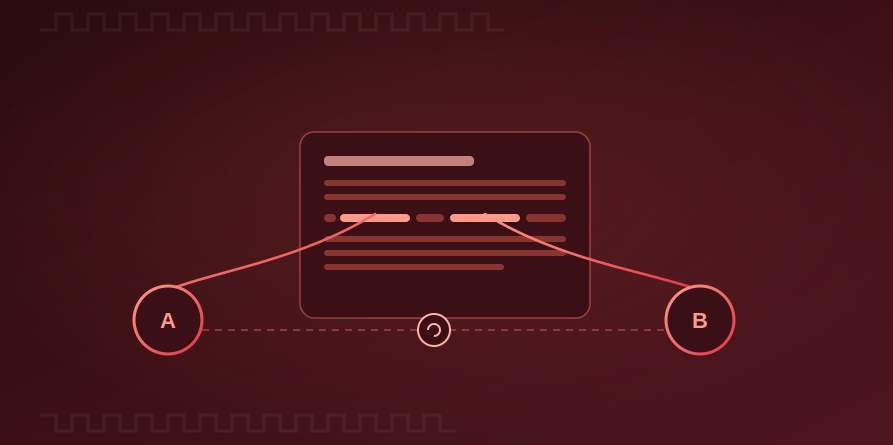
We acquire backlinks from Japanese publishers through two primary approaches: editorial placements, where new content featuring the client's link is published on a publisher's site, and contextual links, where the link is added to existing indexed content. Both produce valid .jp backlinks. They differ in timeline, cost structure, editorial requirements, and the type of authority signal they send. Choosing between them—and mixing them—requires clarity about the client's objective, timeline, and the current state of their Japanese backlink profile. That is how we scope every Link Building Japan programme.
We use editorial placements to build fresh authority and brand visibility; contextual links to accelerate topical coverage on pages that already rank. Most programmes we run that move Japanese SEO rankings use both.
What our editorial placements deliver
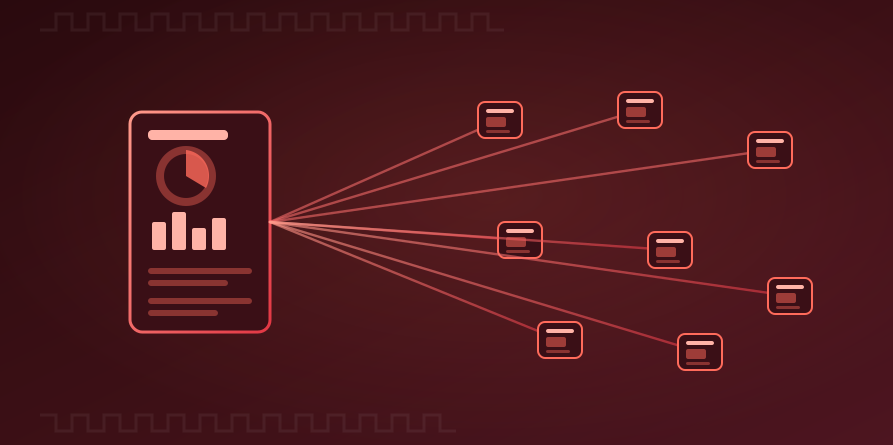
Our editorial placements involve creating new articles for publication on Japanese media sites. The content goes through the publisher's editorial review process, appears as a new URL on their domain, and typically includes the client's link within body copy that discusses a topic relevant to their business. The result is a fresh citation from a publisher that has actively chosen to associate the brand with their content.
We recommend this approach for brands with newsworthy angles: product launches in Japan, market expansion announcements, research findings, executive appointments in Tokyo, or thought leadership on industry trends. The content must meet genuine editorial standards because the publisher's reputation depends on what they publish. Placements on national business media or specialist trade publications carry significant authority precisely because the editorial bar is high—and that is the inventory we protect.
Our typical editorial workflow
A well-run editorial placement follows a predictable sequence. Understanding each stage prevents unrealistic timeline expectations when we brief stakeholders or agency partners.
- Brief and angle approval with the client and publisher desk
- Japanese-language draft written to the title's style and audience
- Editorial review, fact-checking, and revision rounds
- Scheduling against the publisher's calendar
- Publication, indexation monitoring, and secondary citation tracking
Timelines are longer than many international teams expect. Editorial review, scheduling, and publication on established titles typically require four to eight weeks from an approved brief. The investment is higher per link, but the authority signal and potential for secondary citation justify the cost for competitive queries—and we set that expectation upfront.
When we treat editorial as the stronger signal
We choose editorial when the client needs authority from top-tier Japanese publishers, when they have a story worth telling, when their backlink profile needs publisher diversity, or when they are building Japanese market presence from a standing start. Editorial also supports digital PR objectives beyond SEO: brand awareness, media relationships, and content assets the sales team can reference.
National titles in Tokyo and Osaka often pause or slow editorial calendars during Golden Week and Obon. We plan briefs around those windows rather than treating delays as delivery failure.
What our contextual links deliver
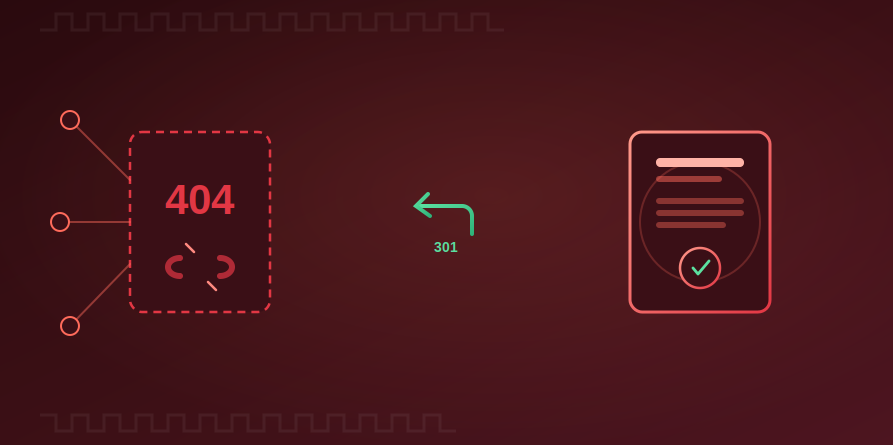
We place contextual links within existing articles that already rank and index on Japanese publisher sites. Rather than creating new content, we identify relevant existing pages and negotiate an update that adds the client's link within the article body where it fits naturally.
This approach suits brands that lack a newsworthy hook but need citations from specific publishers or topical contexts. A contextual link on an established article that already receives traffic passes authority immediately because the page is indexed and may already rank for relevant queries. There is no waiting for new content to index or for editorial calendars to accommodate a new submission—which is why we use it to accelerate programmes.
Fit, risk, and how we decide publisher acceptance
Not every publisher accepts contextual link updates. Those that do typically charge for the editorial review and update process. The link must fit the existing content without distorting the article's original purpose, which limits placement options compared with editorial placements where we write the content around the client's messaging.
- Best fit: specialist trade pages that already discuss the client's category
- Weaker fit: evergreen news roundups with no topical room for the brand
- Avoid: pages that exist mainly as outbound link inventory
- Prefer: body-copy insertions over author bios or sidebars
Before we pursue a contextual update, we confirm the target page still indexes, still ranks for related terms, and still reflects current editorial standards. A live URL is not enough if the page has lost traffic or become a thin resource.
How we compare authority and risk
Editorial placements generally carry stronger authority signals because they represent active editorial endorsement of new content. Search systems treat new editorial content differently from updated existing pages, though both pass link equity when the publisher meets our quality standards.
Contextual links carry lower risk of appearing manufactured when the update is genuinely editorial (adding a relevant source to an existing article) rather than a paid insertion that disrupts the article's flow. We assess each existing page before pursuing contextual placement to ensure the link will read naturally to both readers and algorithms.
| Factor | Editorial placements | Contextual links |
|---|---|---|
| Timeline | Typically 4–8 weeks | Often faster once a page is approved |
| Content effort | Full Japanese article required | Short insertion or paragraph update |
| Brand visibility | High (new URL, PR upside) | Moderate (existing page audience) |
| Best use | Authority and story-led campaigns | Topical gaps and indexed coverage |
When we prioritise each approach
We prioritise editorial placements when
National or specialist media authority is the primary gap in the Japanese SEO programme, when AI citations and brand search volume matter alongside rankings, or when the client needs publisher relationships that support ongoing coverage rather than one-off URLs.
We prioritise contextual links when
The client needs citations from specific Japanese publishers that will not accept new editorial submissions from foreign brands, when timeline is constrained and indexed pages are available, when the objective is topical relevance rather than newsworthy coverage, or when we are supplementing an editorial programme with additional .jp backlinks from trade publications.
How we combine both approaches
Most effective programmes we run combine editorial and contextual placements based on quarterly objectives. An initial editorial push establishes presence on recognised publishers. Contextual links fill gaps in topical coverage and accelerate profile development while editorial submissions work through review cycles. The ratio depends on sector, competitive landscape, and budget allocation—and we document that mix in every scope.
A profile built only from contextual links on existing pages may lack the publisher diversity and fresh content signals that editorial provides. A profile built only from editorial may develop too slowly for competitive timelines. The combination produces natural-looking acquisition patterns that serve both short-term ranking objectives and long-term backlink profile health—that is the mix we recommend by default.
Cost, resources, and how we measure
Editorial placements typically cost more per link because content creation, editorial review cycles, and publisher fees for new articles exceed the cost of updating existing pages. Budget-constrained programmes sometimes start with contextual links to establish initial .jp presence while building toward editorial targets over subsequent quarters—and we are transparent when that is the right path.
Editorial placements also produce secondary benefits: brand search volume, referral traffic, and media assets sales teams can reference. Contextual placements produce faster authority transfer with less brand visibility upside. We measure against the outcomes prioritised when choosing the approach.
We ask four questions before choosing: Does the client have a newsworthy angle? Do they need authority from specific high-tier publishers? Is the timeline measured in weeks or months? Does the current profile already include diverse .jp citations? Honest answers narrow the choice quickly. We document these decisions in scoping proposals so clients understand why we recommend a particular mix.